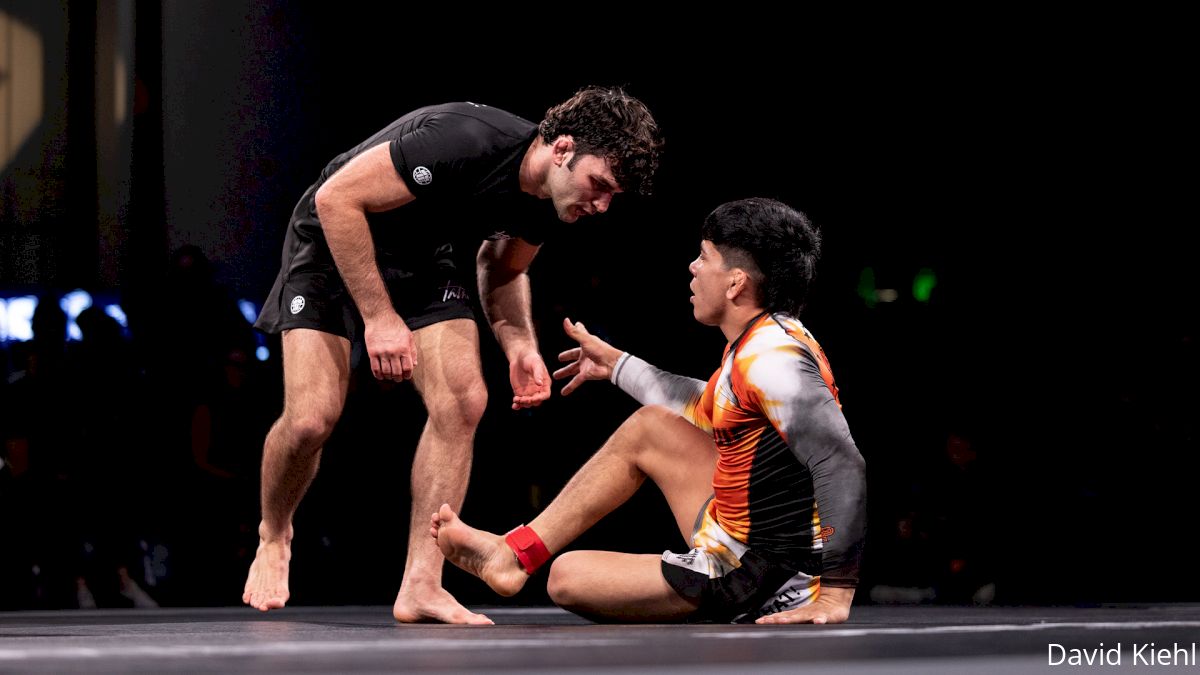
There are times to grind and there are times to pull back.
Before a big competition, you should do everything possible to make sure you’re mentally and physically ready to compete to your full potential. There’s no way around doing the hard work required for a task like this.
But after a competition has passed and you’re awaiting your next big goal, make sure you have a solid plan for an “off-season.”
Regardless of the result of your competition, your body and mind will need time to recuperate. At that point, consistently training to exhaustion would be counterproductive. The cost of breaking your body down through intensive training will outweigh the benefits.
You can and should stay on the mats, but give yourself grace when it comes to hard training.
I’ve been in this period ever since I got out of camp for my last match on WNO, and I’ve come to understand several truths as to why it’s so important to have periods of high activity followed by periods of lower activity.
I share these with you so that you can get the most out of your time and avoid injury, illness, and mental burnout.
Have Fun
I wouldn’t describe many aspects of a competition camp as “fun.” Fulfilling, perhaps, but fun is not my main descriptor.
The grind can get to even the strongest competitors, and by the end of camp, they often feel like they have nothing left to give.
When you finish camp, the last thing to focus on is intensity.
Instead, go into training to have fun and work on what you want to improve, rather than what you need to for a specific match or ruleset.
Your goal is no longer to grind out as many sessions as possible and push to exhaustion. It’s more important to stay engaged in the learning process while having fun training.
This will allow you to enter your next training camp with renewed focus and enthusiasm. You won’t dread training hard again because your body and mind will both be rested.
Watch More Footage
A good way to decide what to focus on during this period of training is to watch footage. Whether it's video of your competitions, training rounds, or just various instructionals and matches, you should dedicate at least some time to it.
This is helpful because it gives you inspiration for new techniques, and keeps you mentally engaged without any wear and tear to your body.
While you’re in camp, this can be difficult. You only have so many hours in the day, and you’ll likely be prioritizing time on the mats and/or any obligations outside of jiu-jitsu (work, family, etc.)
But outside of camp, you won’t need to cram as many sessions in as possible, which gives you a bit more time and energy to focus on film study. This is a big game changer for anyone looking to improve.
Sit Rounds Out
I’m not the biggest proponent of sitting rounds out, as most people only get so many hours per week to train. Unless you’re nursing an injury, it may not be wise to lose out on the training rounds.
In the off-season, however, you should feel comfortable taking a few rounds off to lower the risk of injury and physical burnout.
This doesn’t mean you just lay on the floor staring up at the ceiling, though.
Use your round off to watch and study the rolls going on around you. Try to pick up some new techniques, or observe how your more skilled training partners handle their rolls. There is always something to learn from watching, so make sure you allow yourself that opportunity.
Don’t Be Afraid To Lose
This one is huge. Don’t be afraid to “lose” in training.
When getting ready for a competition, you might want to do more rounds where you try to concede as little offense as possible.
But the rest of the time, be ok getting tapped, having your guard passed, or getting out-paced during a round. Beating yourself up will do you no good, and will likely hold you back from learning from your mistakes. Maybe even do some rounds where you willingly give up positions so that you can explore ways out of them.
Either way, you’ll have to set your ego aside and become comfortable not winning all of the time.
Try to ask your training partners how they were able to best you that round. It doesn’t matter if they’re a white belt or black belt; talk with them.
They won’t look down on you for this. If anything they will respect you even more for your humility and appetite to gain more knowledge.
You improve leaps and bounds by adopting this method of training, trust me.
You will be surprised what happens when you take accountability for your mistakes and open yourself up to more knowledge. You improve, but more importantly, you realize that losing isn’t a big deal.
Maximize Your Strength Training
No immediate weight cut and less need for constant training means you have every reason in the world to refine your strength protocol.
Find a good gym or trainer, or at the very least buy an online program that can set up a remote training program for you.
I use the Electrum Performance app which has monthly training programs designed specifically for grapplers. That type of stuff is far more affordable than people realize and will pay dividends long term.
Focusing on building strength is a perfect off-season activity because it will make you far less prone to injury come your next training camp. Anything that will keep you on the mats longer is worth investing time in, and strength training is no different.
The worst that could happen is you gain so much muscle that you have to move up a weight class, which is a very good problem to have. Many people work their whole careers to pack on functional muscle, so be grateful that you worked hard enough to accomplish that.
Closing Thoughts
All of the above is key to ensuring you make good use of your off-season. Don’t be the guy who finishes a competition and disappears only to show up four months later ready to start training again.
Taking time off the mats is fine, but if you’re healthy and want to improve your grappling skill while enjoying the sport you love, implement these training procedures.